


Making a family recipe book is a meaningful endeavor, and there’s no shortage of ways to do it. You can buy a ready-made keepsake book, build one in an app, work from a template, or DIY your own. Any of them will get your recipes safely onto the page and that is something worth doing.
But a lot gets missed in the making of these books.
Most of the advice out there says something along the lines of “Don’t just save the recipe, save the story too.” They suggest:
- Asking relatives for testimonials and anecdotes behind each dish
- Interviewing the cook, or recording them the next time they make it
- Gathering recipes from across the whole family, not just your own
- Collecting the old recipe cards and handwritten notes into the pages of your book
All of these recommendations are great additions to any family recipe book, but what almost no one tells you is how to collect the stories that actually matter. Not just the anecdote — the why. The feeling. The memory that comes back the second you taste it. That’s the part that quietly goes missing.
We Don’t Miss the Food. We Miss the People.
When someone says they miss their grandmother’s cooking, they’re rarely talking about the food. They’re talking about her.
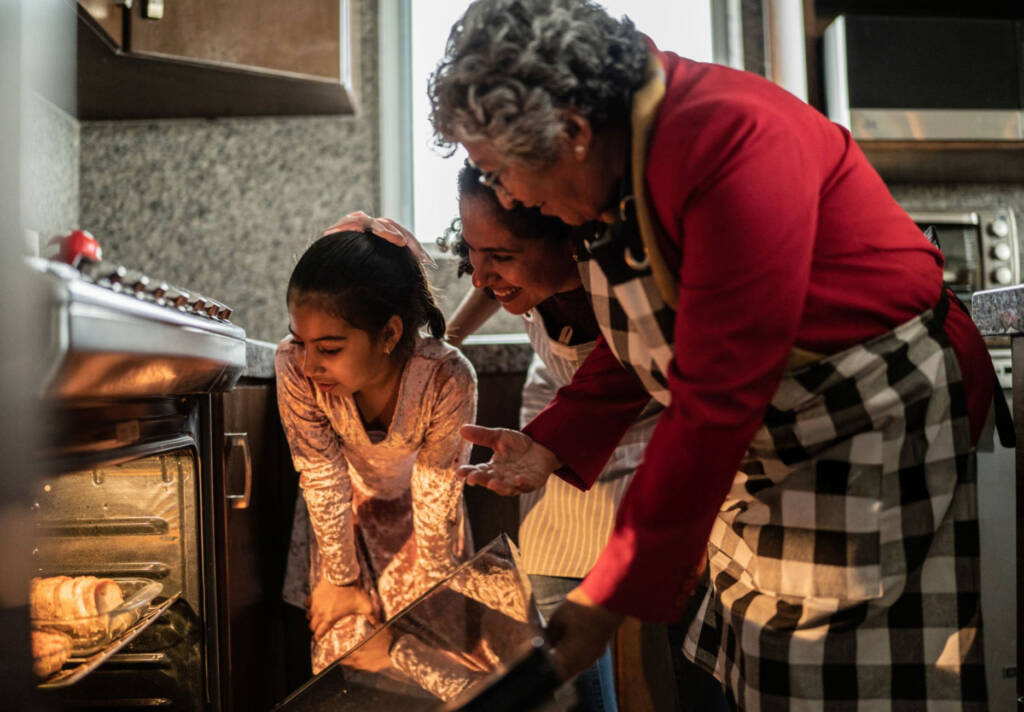
The way she waved everyone into the kitchen before they were old enough to help. Flour on her apron. The radio playing low. The wooden spoon she refused to replace. The way she never measured a thing and somehow made it perfect every single time.
That’s what people grieve: the person who made it feel like home. Food was just the language the love was spoken in.
That’s what a recipe alone can’t hold. And it’s exactly what disappears when the person is gone.
What to Put in a Family Recipe Book Besides the Recipes
Beside every recipe, leave room for the story that came with it. These are the questions worth answering — the ones that turn an ingredient list into an inheritance:
- Who taught you this recipe?
- When was it traditionally made?
- Why was it important to your family?
- What memories come to mind when you prepare it?
- Was there someone who always made it better than everyone else?
- What happened around the table after it was served?
- What smells filled the kitchen?
- Were there sayings, jokes, or traditions everyone remembers?
The answers might take only a few minutes to write. They might take weeks to collect. But they will probably become the most reread pages in the whole book.
The Part You Can’t Write Down
Some of what makes a dish matter just can’t go on a page. There’s so much more to capture after the core questions are answered.
It lived in the way Grandpa quietly tasted the sauce before anyone else, and knew. It lived in the conversations that happened while onions softened slowly in olive oil. It lived in the smell of garlic drifting through the house on a Sunday morning, before anyone had even sat down.
And it lived in the instruction itself — the one that never made it onto a card because it couldn’t:
“A little more. You’ll know when it looks right.”
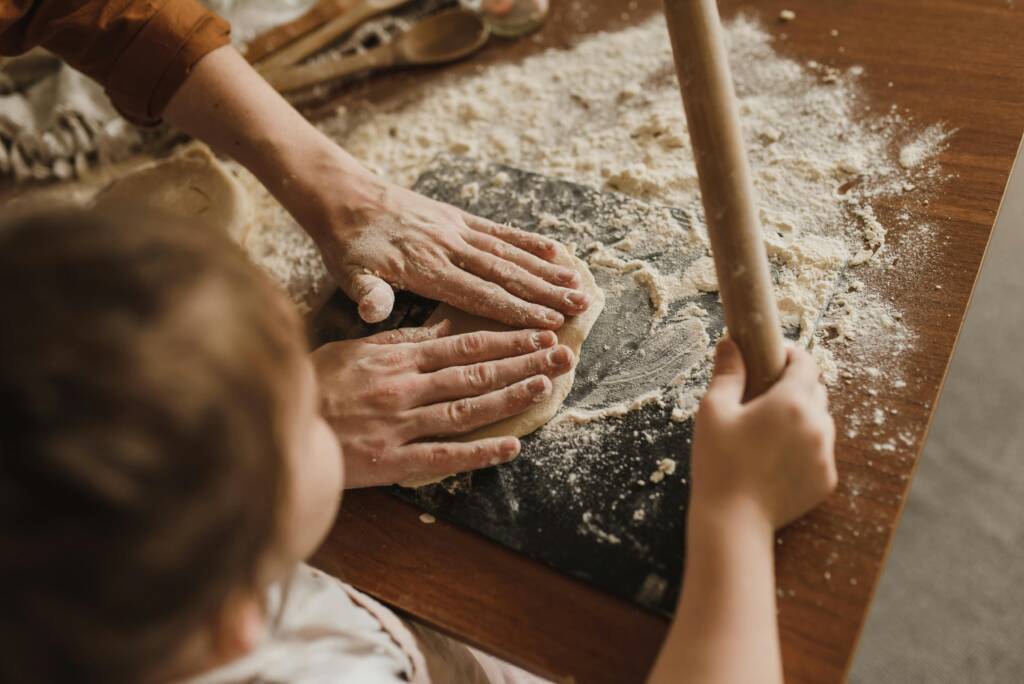
That’s instinct and it’s passed from hands that knew to eyes that were watching. You can write “you’ll know when it looks right” onto a card, and your relative still won’t know exactly when it looks right. They had to be there. They had to hear the voice and watch the hands.
That’s the part a recipe book was never built to hold. Not because anyone did it wrong, but because some knowledge only survives in a voice, a face, or a moment caught before it’s gone.
This will undoubtedly take more time than simply copying down ingredients. Conducting interviews, finding old photographs, and recording voice memos at the stove will take time. But an imperfect recording of a voice is worth infinitely more than a forgotten memory.
Capture The Story While You Still Can
For all of the things that can’t be captured with words, start by recording them while they’re still here. Instead of simply describing the steps for making the dish, focus on the sensory details that transport you to the kitchen.
- Record their voice telling you how they make it. Not to get the steps right — but so that one day you can close your eyes and hear them again.
- Film them making it. The hands know things the mouth never says. Watch where they pinch, taste, and adjust without thinking — that’s the part that was never going to fit on a card.
- Photograph the objects they use. The worn wooden spoon, the dented pot, the stained card in their handwriting. The tools hold the years, and someday just seeing them will bring the whole kitchen back.
- Ask one more question while they’re at the stove. The one you’ll wish you’d asked. “What’s the one thing everyone gets wrong?” “What did you change from how your mother made it?” Ask it now, while there’s still someone to answer.
And one day, you’ll be the one at the stove with the voice someone else wishes they’d recorded. They’ll want to know who stood beside you while you stirred it. Why everyone came home for dinner. What your kitchen felt like.
You can’t hand them all of it, but you can give them more than a list of ingredients in a recipe book. Leave them with the story.